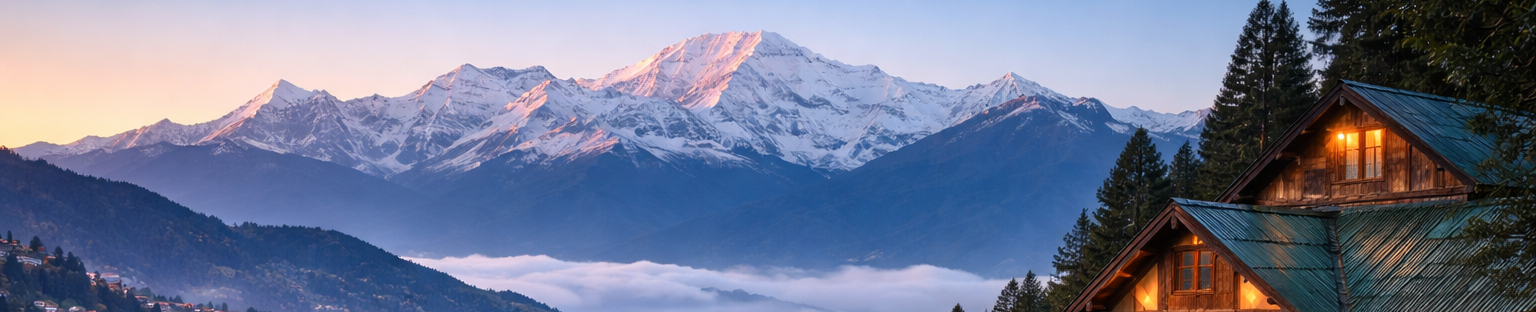
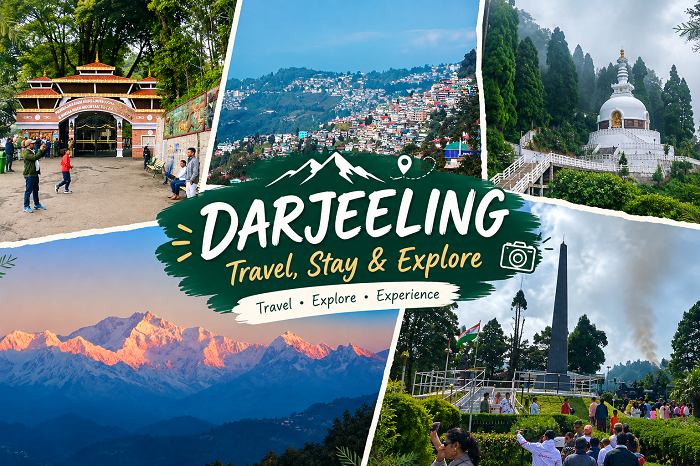
Perched high in the Eastern Himalayas, Darjeeling has been drawing travelers for over a century — and it's easy to see why. Rolling tea gardens, the iconic toy train chugging through misty hills, monasteries tucked into the mountainside, and jaw-dropping views of Kanchenjunga (the world's third-highest peak) all come together in one compact hill town. Whether you're planning a quick weekend escape or a longer Himalayan getaway, this guide covers everything you need: what to see, where to stay, what to eat, and how to plan the perfect trip.
Darjeeling is a year-round destination, but the experience changes a lot with the seasons. Spring (March–May) brings clear skies and blooming rhododendrons, making it ideal for mountain views. Autumn (October–December) offers the clearest visibility of Kanchenjunga and crisp, comfortable weather. Monsoon season (June–September) brings heavy rain and landslide risk, so it's best avoided unless you don't mind overcast days and fewer crowds. Winter (December–February) can get quite cold, occasionally with light snowfall, and is a good pick for travelers who enjoy a cozy, quiet hill-station vibe.
By air: The nearest airport is Bagdogra, connected to major Indian cities. From there, it's a scenic 2.5–3 hour drive up to Darjeeling.
By train: New Jalpaiguri (NJP) is the closest major railway station, well connected across India. From NJP, you can either take a shared cab/taxi (about 3 hours) or, for a memorable experience, hop on the UNESCO-listed Darjeeling Himalayan Railway toy train for part of the journey.
By road: Darjeeling is well connected by road from Siliguri and NJP, with shared jeeps, private cabs, and buses running regularly. The drive itself is an experience, winding through tea estates and small hill towns.
Tiger Hill — The classic sunrise viewpoint, offering panoramic views of Kanchenjunga (and on clear days, even Everest in the distance). Most visitors leave before dawn to catch the sunrise.
Batasia Loop — A spiral railway track with a war memorial garden, offering great photo opportunities and toy train views against the mountains.
Tea Gardens — Darjeeling is world-famous for its tea. Estates like Happy Valley offer factory tours where you can see the process from leaf to cup, often followed by a tasting session.
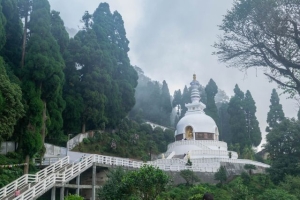
Ghoom Monastery — One of the oldest Buddhist monasteries in the region, home to a striking statue of the Maitreya Buddha and a peaceful, spiritual atmosphere.
Padmaja Naidu Himalayan Zoological Park — Home to red pandas, snow leopards, and other high-altitude species, this is one of the few places you can see these animals up close.
Himalayan Mountaineering Institute — Located next to the zoo, this museum documents the history of Himalayan mountaineering, including exhibits related to Tenzing Norgay.
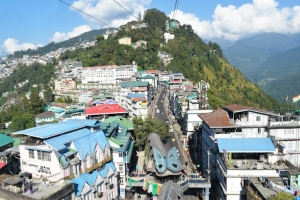
Mall Road (Chowrasta) — The social heart of Darjeeling, lined with shops, cafes, and street food stalls — perfect for an evening stroll.
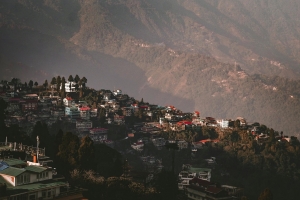
For convenience and easy access to Mall Road and major sights, staying around Chowk Bazaar or Mall Road is a good bet. Travelers looking for quieter surroundings often prefer Jalapahar or the outskirts, which come with better mountain views and less noise.
If you'd like help matching a stay to your budget and travel dates, we can put together options as part of a custom itinerary.
Darjeeling's food scene reflects its Nepali, Tibetan, and Bengali influences. Don't leave without trying momos (steamed or fried dumplings), thukpa (a warming noodle soup), and of course, a fresh cup of Darjeeling tea straight from the source. Local bakeries around Mall Road are also worth a stop for freshly baked pastries — a charming leftover from the town's colonial past.
Day 1: Arrive, settle in, evening stroll around Mall Road
Day 2: Early sunrise at Tiger Hill, followed by Batasia Loop, Ghoom Monastery, and the zoo/mountaineering institute
Day 3: Tea garden visit and tasting, local market exploration, departure or extension toward Sikkim
This is just a starting point — trip length and pacing can easily be adjusted based on how much time you have.
How many days do you need in Darjeeling? Three days is enough to cover the major sights comfortably, though four to five days allows a more relaxed pace with room for tea garden visits and day trips.
Is Darjeeling safe for solo travelers? Yes, Darjeeling is generally considered safe and welcoming for solo travelers, including solo women, though standard travel precautions apply as anywhere else.
What's the best time to see Kanchenjunga clearly? Early mornings during the October–December and March–May windows offer the clearest views, especially from Tiger Hill.